

Drive B2B growth by understanding brand equity as a strategic asset in B2B environments. Build trust, influence decisions, and secure market position.
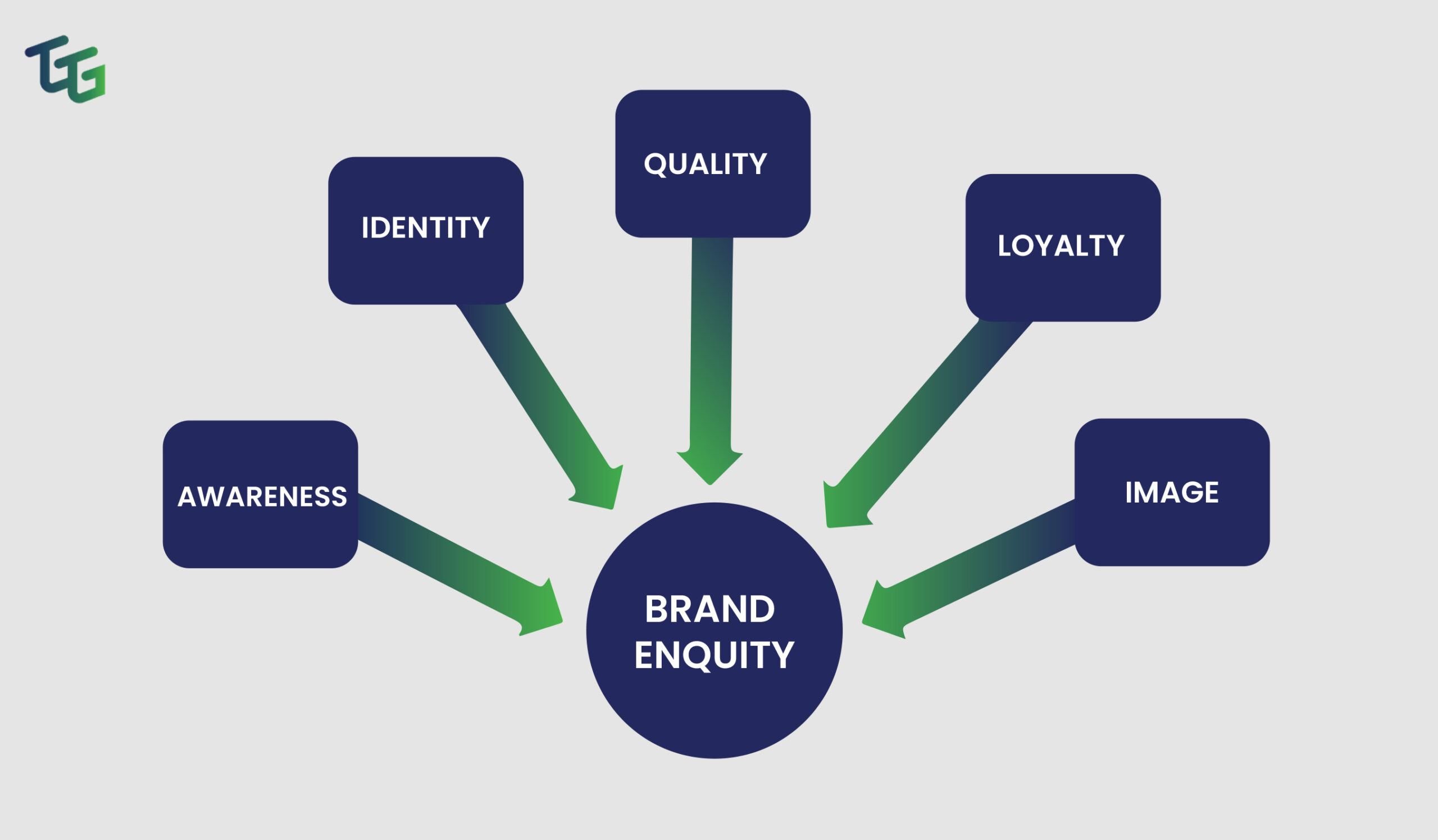
In the complex landscape of business-to-business transactions, a strong brand is not merely a marketing accessory; it’s a fundamental competitive differentiator. From my experience working with various B2B organizations, the perception held by clients, partners, and even employees directly impacts success. This perception, often intangible, consolidates into what we call brand equity. It acts as a powerful lever, influencing everything from sales cycles to talent acquisition and investor confidence.
Overview:
- Brand equity in B2B represents the cumulative positive perceptions and experiences stakeholders have with a company.
- It functions as a strategic asset, reducing perceived risk for buyers and streamlining the sales process.
- Strong brand equity directly contributes to higher customer loyalty and improved retention rates in B2B.
- Operationalizing this asset involves consistent brand messaging, transparent communication, and exceptional service delivery.
- Measuring its impact can include metrics like brand awareness, preference, customer lifetime value, and reduced cost of sales.
- Companies that prioritize brand equity as a strategic asset in B2B environments typically see stronger market positioning and pricing power.
- A robust brand helps attract top talent and fosters a positive internal culture, indirectly boosting external perception.
Understanding Brand equity as a strategic asset in B2B environments
In B2B, brand equity is more than just recognition; it is the sum total of trust, reliability, and value attributed to a company’s name and offerings. For businesses operating in the US and globally, this means established credibility. When a purchasing manager evaluates vendors, a company with high brand equity faces a lower hurdle. Decision-makers feel more secure choosing a known entity, reducing their personal career risk. This perception of security significantly shortens sales cycles.
Real-world scenarios consistently show that a strong brand pre-sells your capabilities. Potential clients arrive at initial meetings with a positive predisposition. They are already partially convinced of your quality and reliability. This predisposition allows sales teams to focus on specific solutions rather than continually proving foundational competence. It shifts the conversation from “why us?” to “how can we best help you?”. A robust brand becomes a promise of consistent quality and performance.
Building Trust and Reputation in B2B Markets
Cultivating trust and reputation is foundational to establishing any firm’s brand capital. This process is iterative and built on consistent performance and clear communication. In B2B, trust stems from a proven track record of meeting commitments and solving specific client problems. It’s about delivering on promises time and again, which reinforces the brand’s perceived value. Every successful project, every positive testimonial, and every helpful interaction adds to this growing equity.
A company’s reputation is also shaped by its ethical practices and corporate social responsibility efforts. B2B buyers increasingly vet vendors based on shared values and sustainable operations. Transparency in business dealings and responsiveness to feedback are critical. Over time, these consistent efforts build a resilient brand, one that can withstand minor missteps and retain customer loyalty. Reputation is not just earned; it is meticulously maintained through every touchpoint.
Operationalizing Brand equity as a strategic asset in B2B environments for Growth
For brand equity to truly fuel growth, it must be intentionally operationalized across the organization. This means every department, from sales to product development and customer service, understands and contributes to the brand promise. Sales teams leverage existing brand recognition to open doors and accelerate negotiations. Marketing utilizes brand guidelines to ensure consistent messaging that resonates with target audiences. Product teams build solutions that uphold the brand’s reputation for innovation or reliability.
Customer success initiatives play a vital role in reinforcing brand equity post-sale. Exceptional service, proactive support, and successful client outcomes directly affirm the brand’s value proposition. When clients consistently experience positive interactions, they become brand advocates. These advocates provide invaluable referrals and testimonials, further amplifying the brand’s reach and credibility within the B2B ecosystem. Operationalizing brand equity means embedding it into daily business practice.
Measuring the ROI of Brand equity as a strategic asset in B2B environments
Quantifying the return on investment for brand equity, though challenging, is essential for demonstrating its strategic importance. Metrics can include brand awareness and preference, measured through market surveys and perception studies. Financial indicators such as customer lifetime value (CLTV), customer acquisition cost (CAC), and pricing power offer tangible proof. A brand with high equity can often command premium pricing compared to lesser-known competitors.
Indirect measures also illustrate impact. Reduced churn rates, increased referral business, and higher employee retention all signal a healthy brand. Furthermore, the efficiency of marketing spend often improves when supported by strong brand equity; campaigns require less effort to generate leads. By tracking these varied indicators, businesses can gauge the effectiveness of their brand-building efforts. This data allows for continuous refinement and strategic allocation of resources.
