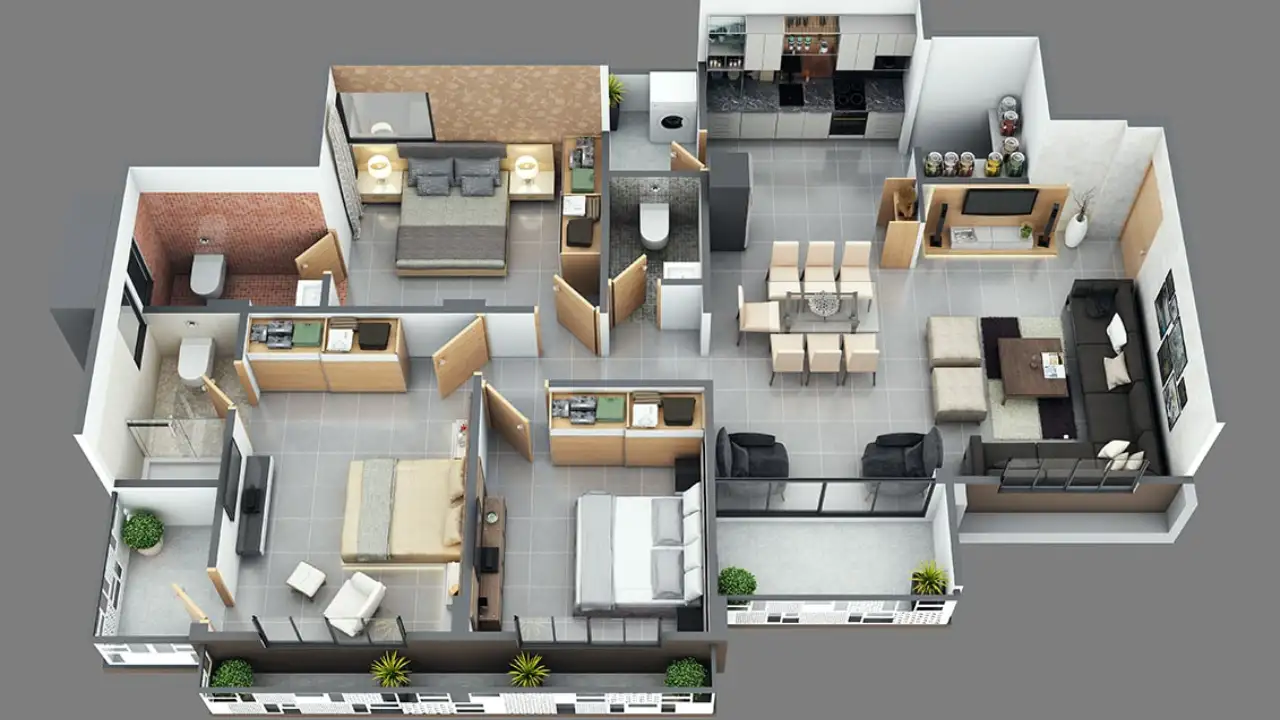

Mastering the integration of AI for smarter homes. Expert insights on automating routine household tasks with AI from real-world application.

From years of practical experience integrating advanced technologies into domestic environments, I’ve witnessed firsthand the profound shift brought about by artificial intelligence in managing daily chores. What once required manual effort and significant time commitment can now be delegated to intelligent systems. This evolution isn’t just about convenience; it’s about optimizing our living spaces to support our lifestyles more effectively, moving beyond simple programmed actions to truly adaptive, learning systems.
Overview
- AI integration is transforming how we manage household chores, moving beyond simple automation to adaptive, learning systems.
- Early experiences highlighted the potential for AI to streamline complex, multi-step tasks, demonstrating real-world value.
- Key technologies include smart sensors, machine learning algorithms, and robotic platforms working in concert.
- Practical applications range from intelligent climate control and automated cleaning to predictive pantry management and personalized entertainment.
- Challenges involve data privacy, system integration complexities, and ensuring user trust in AI decision-making.
- The future of automating routine household tasks with AI promises more seamless, intuitive, and energy-efficient domestic environments.
- These advancements aim to free up human time for more meaningful activities and improve overall quality of life.
Automating Routine Household Tasks with AI: The Foundational Principles
My initial foray into automating routine household tasks with AI began with understanding the core technologies involved. It isn’t merely about setting a timer for a coffee maker. True AI integration involves machine learning, natural language processing, and advanced sensor arrays that interpret environmental data. This allows systems to learn patterns, predict needs, and execute tasks with minimal human intervention. For instance, a smart thermostat learns heating and cooling preferences over time, adjusting temperatures proactively based on occupancy and external weather conditions, rather than reacting to a manual input.
The underpinning of these systems often involves a central hub or platform that aggregates data from various smart devices. This data – from door sensors, motion detectors, smart appliances, and even personal schedules – feeds into AI algorithms. These algorithms then identify efficiencies, anticipate requirements, and orchestrate actions across the connected ecosystem. My work often focuses on ensuring these disparate technologies communicate effectively, creating a cohesive, intelligent home network. This foundational understanding is critical for anyone serious about leveraging AI for domestic efficiency.
Real-World Applications of Domestic AI
My daily interactions with clients often involve setting up and fine-tuning AI-powered solutions that directly impact their household routines. One common application is intelligent cleaning, moving beyond robotic vacuums that merely map rooms. Current systems integrate with calendars, detecting when residents are away to initiate cleaning cycles, or even prioritizing specific areas based on usage patterns. I’ve implemented solutions where kitchen appliances, like smart ovens, communicate with recipe apps and grocery delivery services, suggesting meals based on dietary preferences and current pantry stock. This significantly reduces planning effort.
Another area of impact is personal assistance and security. AI-driven voice assistants act as central command centers, managing schedules, answering queries, and controlling linked devices through spoken commands. For security, AI-powered cameras differentiate between pets, known family members, and potential intruders, sending relevant alerts to smartphones. These systems learn over time, reducing false alarms and improving response accuracy. In the US, the adoption rate of such smart home technologies continues to grow, reflecting a broader acceptance of AI in daily life.
Challenges and Ethical Considerations in Automating Routine Household Tasks with AI
While the benefits are clear, my experience has also highlighted significant challenges in automating routine household tasks with AI. Data privacy remains a paramount concern. These systems collect vast amounts of personal data – from daily routines to voice commands. Ensuring this data is secure and used ethically is not just a technical hurdle but a trust issue. I consistently advise on robust encryption and clear data usage policies, advocating for user control over their information. Integration complexity is another hurdle; getting different brands of smart devices to seamlessly communicate often requires specialized knowledge and custom programming.
There’s also the question of bias in AI algorithms, particularly if not trained on diverse datasets. This can lead to less effective or even discriminatory outcomes for certain users. Furthermore, over-reliance on AI can erode basic life skills or create vulnerabilities if systems fail. My role often involves educating users on these aspects, ensuring they understand both the capabilities and limitations of their automated environments. Building resilient, transparent, and user-centric AI systems is crucial for long-term adoption and public confidence.
The Future Trajectory of Automating Routine Household Tasks with AI in the US
Looking ahead, the evolution of automating routine household tasks with AI promises even more sophisticated integration and personalized experiences. We are moving towards truly predictive homes that anticipate needs before they are explicitly stated. Imagine a home that adjusts lighting, temperature, and even music based on your mood, detected through subtle cues from your interactions or biometric data from wearables. Further advancements in robotics will likely introduce more dexterous robots capable of complex physical tasks like laundry folding or meal preparation, operating with greater autonomy.
The emphasis will increasingly be on seamless, ambient intelligence – AI that operates so smoothly in the background, users barely notice it, yet benefit immensely from its presence. Energy efficiency will also be a major driver, with AI optimizing resource consumption across all appliances and systems. Interoperability standards are also improving, simplifying the setup and management of diverse smart home ecosystems. These advancements will shape how we live, work, and interact within our personal spaces, making homes not just smart, but truly intuitive and supportive companions.