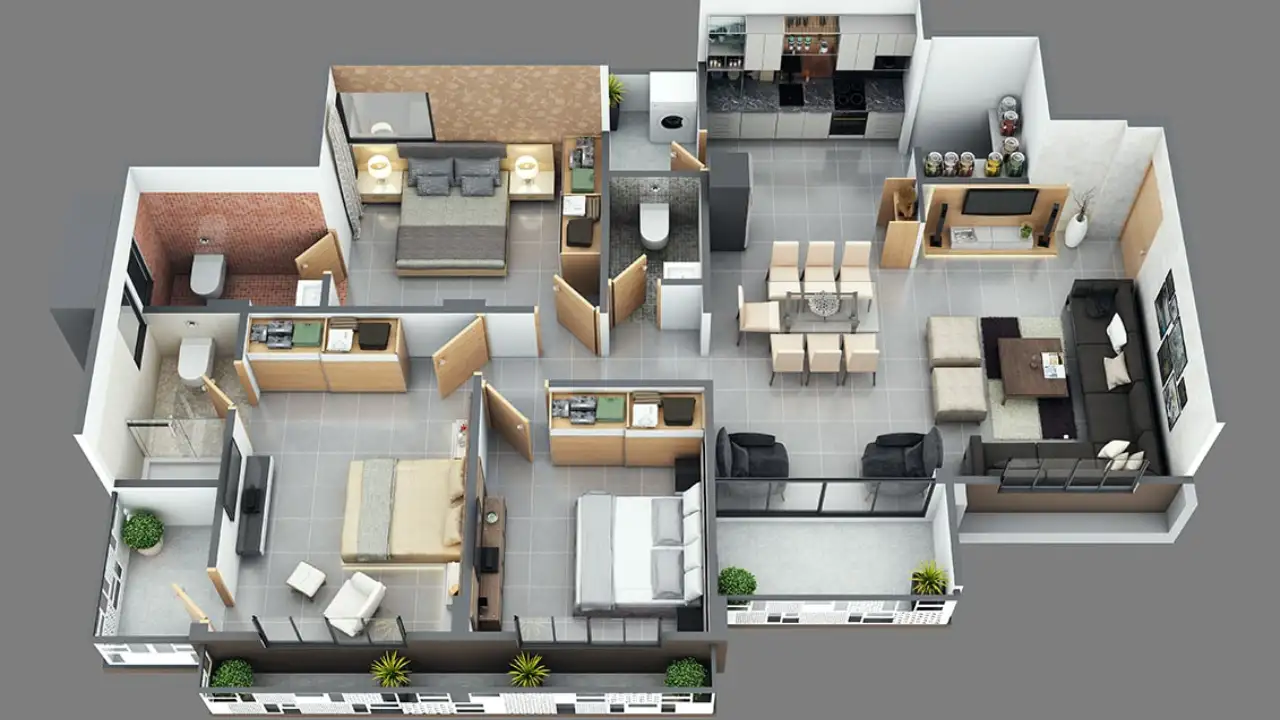

Real-world strategies for smart home monitoring and dashboarding. Gain control, automate security, and track usage with proven setups.

My experience building and maintaining smart home systems has taught me much about what truly works. It’s more than just buying devices; it’s about integrating them into a cohesive system that provides actionable insights. The goal is a responsive home, not just a collection of gadgets. This involves careful planning, selecting compatible hardware, and setting up intelligent automation routines. The right approach ensures reliability and value.
Overview
- Effective Smart home monitoring and dashboarding goes beyond basic device control, offering deep insights into home operations.
- Selecting compatible devices and a robust central hub is crucial for system stability and longevity.
- Dashboards should offer a clear, actionable overview of vital metrics like security status, energy consumption, and environmental conditions.
- Real-world application demonstrates how collected data can inform decisions, from energy savings to preventative maintenance.
- Security and privacy are paramount; strong network practices and device firmware updates protect sensitive data.
- Initial setup involves strategic sensor placement and configuration, creating a foundation for reliable data collection.
- Automation rules, triggered by sensor data, can proactively manage lighting, climate, and security.
Getting Started with Smart home monitoring and dashboarding
Establishing an effective Smart home monitoring and dashboarding system begins with a clear understanding of your needs. Are you prioritizing security, energy management, or convenience? For my own setup, located in the US, I started with security cameras and motion sensors. I quickly realized the power of consolidating data from various sources. This included door/window sensors, smart plugs tracking energy use, and temperature/humidity sensors.
The foundation relies on a reliable hub. I’ve had success with platforms that support multiple protocols like Zigbee, Z-Wave, and Wi-Fi. This flexibility allows for a wider choice of devices. Placing sensors strategically is key. For example, a temperature sensor near an exterior door provides different data than one in the living room. Understanding these nuances helps gather more accurate information. Initial setup can seem daunting, but taking it one device at a time makes the process manageable. Each addition contributes to a richer data stream for your dashboard.
Essential Tools and Platforms
Building a functional smart home system requires thoughtful selection of tools. My journey has involved experimenting with various hubs and software platforms. A robust hub acts as the brain, allowing devices from different manufacturers to communicate. I prefer open platforms that offer flexibility and local processing capabilities, reducing reliance on cloud services. This improves response times and maintains privacy.
For the dashboarding aspect, I’ve used software that allows custom visualizations. This isn’t just about pretty graphs; it’s about presenting data in an immediately understandable way. Think about energy consumption displayed in kWh per hour, or a security log showing activity chronologically. The best dashboards allow for custom cards and widgets, letting you prioritize information. Integrating weather data alongside indoor conditions, for instance, provides a more complete picture of your home environment. Many effective solutions are available today, from proprietary apps to open-source projects.
Practical Applications of Smart home monitoring and dashboarding
The true value of Smart home monitoring and dashboarding emerges in its practical applications. For instance, my energy dashboard helped me identify “phantom load” devices. I now automate turning off entertainment systems and chargers overnight, leading to noticeable savings on electricity bills. Beyond savings, the system offers peace of mind. A dashboard view of all door locks and window sensors confirms home security at a glance, especially when I’m away.
Environmental monitoring is another critical function. Humidity sensors connected to a dashboard can trigger alerts if levels become too high, preventing potential mold issues. My system even tracks air quality, letting me know when to run an air purifier. This proactive approach helps maintain a healthy living space. Remote access to the dashboard is also essential. A quick check from my phone provides immediate status updates and control, whether I need to adjust the thermostat or check a camera feed. These real-world benefits solidify the importance of a well-implemented monitoring solution.
Evolving Your Smart home monitoring and dashboarding Setup
A smart home system is never truly “finished”; it evolves with new technologies and personal needs. Regularly reviewing your Smart home monitoring and dashboarding setup ensures it remains relevant and efficient. New sensors or automation rules can always improve functionality. For example, integrating smart water leak detectors with my dashboard provided an extra layer of protection, something I hadn’t initially considered.
Maintaining system health is paramount. This includes routine firmware updates for devices and the central hub. Over time, I’ve also refined my automation routines, making them more sophisticated. For instance, lights now adjust based on occupancy and ambient light levels, not just a schedule. Experimenting with new dashboard layouts or data visualizations can also reveal fresh insights. The continuous iteration process is what keeps the system valuable and responsive to changing household demands. It’s an ongoing commitment to a smarter, more efficient living environment.