
The UK leisure industry is a significant contributor to the nation’s economy and a vital part of British culture. From theatres and theme parks to pubs and sports clubs, leisure activities shape how people spend their free time and disposable income. Understanding the dynamics of this diverse sector requires careful analysis of the latest leisure industry statistics UK.
Key Takeaways:
- The UK leisure industry represents a substantial portion of the gb economy, with significant impact on employment and consumer spending.
- Post-pandemic trends reveal shifts in consumer behavior, with a renewed focus on domestic tourism and outdoor activities.
- Digital technology and changing demographics are key drivers shaping the future of the leisure industry in the UK.
- Analyzing leisure industry statistics UK is crucial for businesses, policymakers, and investors alike.
Understanding the Scope of Leisure Industry Statistics UK
Defining the “leisure industry” is the first step in understanding leisure industry statistics UK. It’s a broad term encompassing a wide array of sectors, including:
- Hospitality: Hotels, restaurants, pubs, and catering services.
- Tourism: Travel agencies, tour operators, and tourist attractions.
- Recreation: Sports clubs, gyms, parks, and outdoor activities.
- Entertainment: Theatres, cinemas, music venues, and gaming.
- Culture: Museums, art galleries, and heritage sites.
Leisure industry statistics UK provide valuable insights into the size, performance, and trends within each of these sub-sectors. Data sources include government agencies like the Office for National Statistics (ONS), industry associations, and market research firms. These sources offer information on revenue, employment, consumer spending, participation rates, and other key indicators. Analyzing this data allows for a detailed picture of the industry’s overall health and its impact on the gb economy.
Key Trends Revealed by Leisure Industry Statistics UK
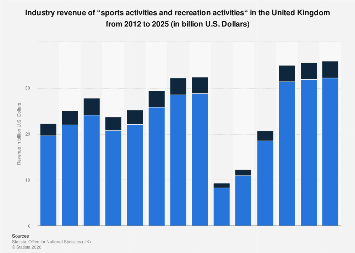
Recent leisure industry statistics UK reveal several important trends. The COVID-19 pandemic had a profound impact, initially causing widespread closures and a sharp decline in revenue. However, the industry has demonstrated remarkable resilience, adapting to new challenges and embracing innovative solutions. One significant trend is the rise of domestic tourism. With international travel restrictions in place, many gb residents chose to explore their own country, boosting the fortunes of hotels, attractions, and local businesses in tourist hotspots. Outdoor activities also experienced a surge in popularity, as people sought safe and socially distanced ways to spend their leisure time.
Another key trend is the increasing importance of digital technology. Online booking platforms, virtual experiences, and digital marketing have become essential tools for leisure businesses. Consumers are increasingly using smartphones and tablets to research, book, and pay for leisure activities. The pandemic accelerated this trend, forcing businesses to adopt digital solutions to reach their customers. Furthermore, changing demographics are influencing leisure spending patterns. The aging population, for example, is driving demand for accessible and age-friendly leisure options.
Economic Impact of Leisure Industry Statistics UK
The leisure industry is a major employer in the UK, providing jobs for millions of people across a wide range of skill levels. Leisure industry statistics UK highlight the sector’s contribution to job creation, particularly in areas such as hospitality, tourism, and entertainment. The industry also generates significant revenue for the gb government through taxes and levies. Furthermore, leisure activities play a crucial role in promoting social well-being and improving quality of life. Access to parks, sports facilities, and cultural attractions can contribute to physical and mental health, reduce social isolation, and strengthen community bonds.
The ripple effect of the leisure industry extends to other sectors of the economy, such as agriculture, manufacturing, and transportation. For example, restaurants and pubs source food and beverages from local suppliers, while tourist attractions rely on transportation networks to bring visitors to their sites. Understanding these interdependencies is essential for policymakers seeking to promote sustainable economic growth. Analyzing leisure industry statistics UK provides valuable insights into the industry’s overall contribution to the gb economy and its impact on various aspects of society.
Future Projections Based on Leisure Industry Statistics UK
Looking ahead, leisure industry statistics UK suggest that the industry is poised for continued growth, albeit with some challenges. The easing of travel restrictions is expected to boost international tourism, while domestic tourism is likely to remain strong. However, businesses will need to adapt to changing consumer preferences and embrace new technologies to stay competitive. Sustainability is also becoming an increasingly important consideration, as consumers become more aware of the environmental and social impact of their leisure activities.
Leisure industry statistics UK also highlight the need for continued investment in infrastructure and skills development. Improved transportation links, upgraded tourist facilities, and a skilled workforce are essential for supporting the industry’s growth. Furthermore, policymakers need to create a supportive regulatory environment that encourages innovation and entrepreneurship. By analyzing leisure industry statistics UK and addressing these challenges, the UK can ensure that its leisure industry continues to thrive and contribute to the nation’s economic and social well-being.


