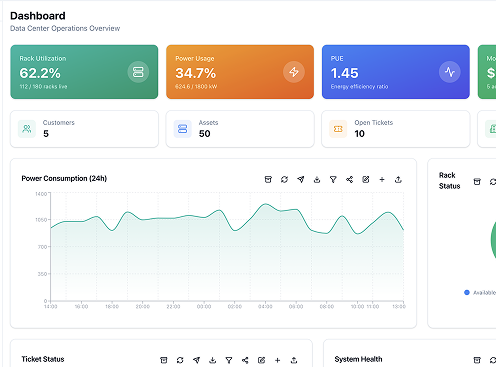

Trusted autonomous ERP systems streamline operations, leverage AI for decision-making, and boost efficiency across global enterprises, reducing manual overhead.

The evolution of Enterprise Resource Planning (ERP) has reached a pivotal point with the advent of autonomy. Drawing from years spent implementing and optimizing complex business systems, I have witnessed firsthand the profound shift from reactive data management to proactive, self-optimizing operations. Modern businesses, especially in the US, demand systems that not only collect and process data but also interpret it, learn from it, and execute tasks without constant human intervention. This is the promise of Autonomous Enterprise Resource Planning (ERP) Solutions, moving beyond mere automation to truly intelligent functionality.
Overview
- Autonomous Enterprise Resource Planning (ERP) Solutions utilize artificial intelligence and machine learning to self-manage core business processes.
- These systems proactively identify inefficiencies and suggest or implement improvements across departments like finance, supply chain, and HR.
- The shift reduces manual data entry, minimizes human error, and frees up staff for strategic tasks.
- Building trust in these autonomous systems requires transparent algorithms, robust security protocols, and verifiable audit trails.
- Successful implementation demands clear data governance, careful integration with existing infrastructure, and a phased deployment strategy.
- Autonomous ERP aims to deliver continuous operational optimization, adapting to changing market conditions and internal demands.
- Key benefits include enhanced decision-making, improved resource allocation, and a stronger competitive position.
Initial Impact of Autonomous Systems on ERP
The initial impact of integrating autonomous capabilities into ERP platforms has been transformative. Early adopters experienced immediate benefits in areas typically burdened by repetitive tasks and extensive manual oversight. Consider invoice processing: an autonomous system can scan, validate against purchase orders, flag discrepancies, and even initiate payments without human touchpoints. This accelerates financial cycles significantly.
Similarly, in inventory management, these systems predict demand fluctuations with greater accuracy, optimizing stock levels and reducing carrying costs. My experience with a US-based manufacturing client demonstrated how an autonomous module analyzed historical sales, production schedules, and supplier lead times. It then automatically reordered raw materials, even adjusting order sizes based on real-time market signals. This proactive approach prevents stockouts and overstock, critical for maintaining operational fluidity and profitability. The underlying algorithms learn from every transaction and market shift, continually refining their predictions and actions. This moves organizations from a reactive posture to a predictive one, a fundamental shift in operational philosophy.
Implementing **Autonomous Enterprise Resource Planning (ERP) Solutions**
Implementing **Autonomous Enterprise Resource Planning (ERP) Solutions** requires meticulous planning and a phased approach. It is not simply about flipping a switch. Organizations must first establish robust data governance frameworks. Clean, consistent data forms the bedrock for any intelligent system. Without reliable input, even the most sophisticated algorithms will yield flawed outputs. We often start with pilot programs in less critical but data-rich areas, like automated expense reporting or routine supply chain approvals.
The integration process involves connecting these autonomous modules with existing legacy systems, a common challenge in large enterprises. APIs and middleware play a crucial role here, ensuring seamless data exchange. Training staff is equally vital. While autonomous systems reduce manual labor, they demand a different skill set for oversight, anomaly detection, and strategic configuration. Trust in the system grows as employees see its reliability and the value it adds, freeing them from mundane tasks to focus on problem-solving and innovation. This cultural shift, from task execution to system management, is a core component of successful deployment.
Security and Compliance in **Autonomous Enterprise Resource Planning (ERP) Solutions**
Security and compliance are paramount when dealing with **Autonomous Enterprise Resource Planning (ERP) Solutions**. These systems often handle sensitive financial, operational, and customer data, making them prime targets for cyber threats. Robust encryption, multi-factor authentication, and continuous monitoring are non-negotiable. From a compliance perspective, autonomous actions must be auditable and traceable. Regulatory bodies, especially in sectors like healthcare or finance, require clear logs of every system decision and transaction.
For instance, an autonomous payment system must not only process transactions but also record the justification for each payment, the approval hierarchy (even if automated), and maintain an immutable ledger. Data privacy regulations, such as GDPR or CCPA, dictate how personal and sensitive data is handled, even by an AI. Building trust involves ensuring that the autonomous system’s decision-making process is transparent and explainable. Organizations need to understand “why” a system made a specific recommendation or executed a particular action to uphold accountability and meet compliance standards. Without this, the very autonomy becomes a liability rather than an asset.
Future Trajectory of **Autonomous Enterprise Resource Planning (ERP) Solutions**
The future trajectory of **Autonomous Enterprise Resource Planning (ERP) Solutions** points towards even greater sophistication and pervasive integration. We anticipate systems capable of not just optimizing internal processes but also interacting intelligently with external ecosystems—suppliers, customers, and even competitors through secure data sharing protocols. Imagine an ERP system that autonomously negotiates better supplier terms based on predictive analytics of market prices and demand.
Further advancements will see these solutions becoming increasingly predictive and prescriptive. They will not only tell us what is likely to happen but also recommend the best course of action and, crucially, execute it. The goal is a truly self-healing enterprise, where operational issues are identified and resolved before they impact business outcomes. This will lead to a significant competitive advantage for companies that effectively harness these capabilities, allowing for unprecedented agility and resilience in dynamic global markets. The focus will remain on building systems that are not only efficient but also inherently trustworthy and aligned with organizational values.